Learn how an Equity Sharing Agreement can help provide cash for retirement without the burden of new monthly mortgage payments or high interest.
Cash-out refinancing can be a good option for homeowners who need quick access to funds, but it's not the right move for everyone. Fortunately, there are other options available to you.
You’ve probably heard it’s good to build equity in your home. But what is home equity, exactly? How can you calculate the equity you have in your home? What can you even use that home equity to do?
If your child is making the transition to college this year, you yourself may be anticipating a transition of your own: the “empty nest.”
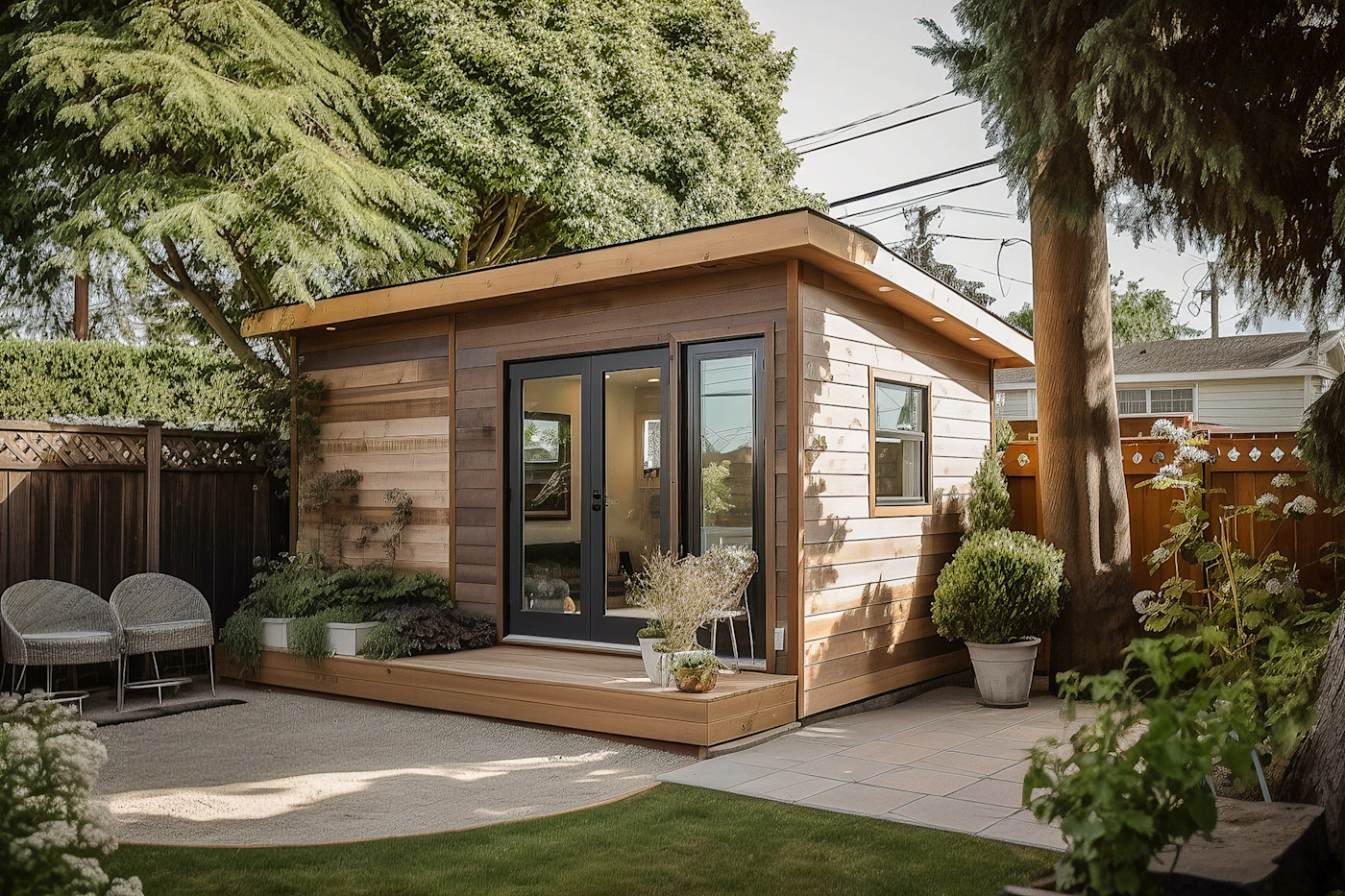
Technically, the “Accessory Dwelling Unit” (ADU) has been around since the 1980s, though the concept itself is much older. If the phrase doesn’t ring a bell, you might know it better as “granny house” or “backyard cottage.”
You’ve heard of HELOCs, refinancing, and home equity loans. Learn about the equity sharing agreement: how it’s different, and how it might benefit you.
We’ve long considered ourselves privileged to empower homeowners to achieve financial freedom and wellbeing by helping them tap into their home equity.
After several years of tension and volatility, the housing market heading into 2026 looks more measured. We’re seeing fewer headlines about runaway prices, and fewer fears of a sudden collapse. Instead, economists are pointing to a market that’s slowly finding its footing.
Homeowners are entering 2026 with a complicated reality. Many have significant equity built up in their homes, but few feel comfortable taking on debt or high monthly payments to access it and put that equity to work.
For many homeowners, home equity is something that quietly builds over time. It’s a number you might glance at on a mortgage statement or that comes when people talk about selling.
In 2025, it’s plain to see that we’re all navigating a more complex financial landscape than usual. And homeowners are no exception! For those with substantial home equity, tapping into that investment can represent a significant financial tool.
Discover which natural disasters homeowners insurance typically covers, from windstorms to fires, and learn about common exclusions like floods and earthquakes. Protect your home by understanding your policy.