The phrase “as-is” shows up often in real estate listings, and it tends to raise eyebrows. For some buyers, it feels like an opportunity – a chance to get a deal on a property that others might overlook. For others, it sounds like a trap.
You’ve probably heard it’s good to build equity in your home. But what is home equity, exactly? How can you calculate the equity you have in your home? What can you even use that home equity to do?
While you’ve heard that your house is your biggest asset, you might be unsure how to take advantage of the fact. Property is illiquid–which means, it isn’t ready money you can just use.
If your child is making the transition to college this year, you yourself may be anticipating a transition of your own: the “empty nest.”
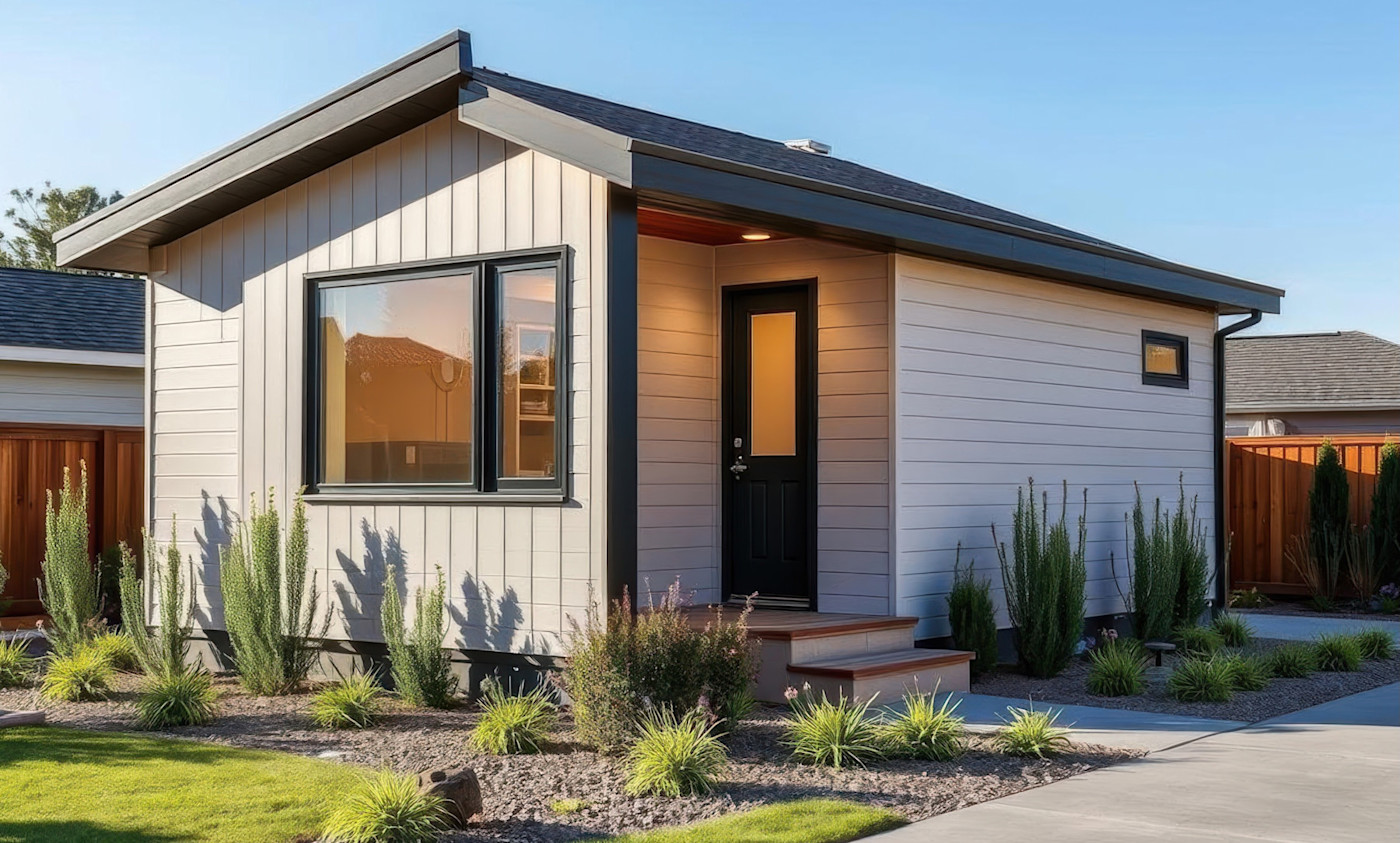
Technically, the “Accessory Dwelling Unit” (ADU) has been around since the 1980s, though the concept itself is much older. If the phrase doesn’t ring a bell, you might know it better as “granny house” or “backyard cottage.”
It’s a universal truth that the vast majority of homeowners are sitting on an enormous amount of equity. That equity is most often trapped in their homes, where it can’t be used to help them with their pressing needs.
We’ve long considered ourselves privileged to empower homeowners to achieve financial freedom and wellbeing by helping them tap into their home equity.
If you’re a homeowner in the Las Vegas area, you’ve likely seen your home’s value fluctuate over the years — sometimes quickly, sometimes unpredictably. Many homeowners have built meaningful equity by holding on through those cycles, improving their homes steadily, and staying rooted while the city evolved.
This isn’t just Econ 101 homework. There are real life impacts at play! If you have a credit card, savings account, mortgage, or loan, understanding how the Fed works can help you make smarter real-life money moves – even in a shifting market.
If you're planning a renovation, you may be wondering: What is a home improvement loan? Despite the popularity of the term, there isn’t really a single loan by that name. It’s actually a catch-all term that refers to any financing used to upgrade, repair, or renovate a home.
Buying a home is exciting! But it can also be overwhelming. With so many moving parts, it’s easy for first-time buyers (and even seasoned homeowners) to miss a step that ends up costing time, money, or peace of mind.
When temperatures drop and winter storms roll in, your home becomes your shelter from the elements. But it also needs a little extra care to stay safe, efficient, and comfortable. Winter is a time to focus on prevention: avoiding frozen pipes, heat loss, and water damage while keeping everything running smoothly behind the scenes.