Learn how an Equity Sharing Agreement can help provide cash for retirement without the burden of new monthly mortgage payments or high interest.
Once you’ve accepted your offer and received your funds, it’s time to put your equity to work – from paying down debt, supplementing your retirement, financing home improvements and beyond.
Ready to bring our partnership to an end? There are four ways in which your Unison Agreement can come to a close.
Unison home equity sharing agreements are best-suited to long-term use cases, allowing you to make your house a home, create lifelong memories, and accrue a healthy appreciation in your home’s value.
Start your Unison journey with our seamless, straightforward application process. Discover how much cash you can unlock from your home and work with a Unison rep through every step.
Eco-friendly home improvements can save you money, improve your quality of life, and boost the value of your home. Win, win, win! Here are some of the easiest ways to turn your house green.
Equity-rich, cash-poor – it's a more common situation now than ever before. With property values skyrocketing, many homeowners are looking for ways to tap into that value. Enter Unison.
Yes, you can use home equity to fund a business — but should you? Learn the options, risks, and when an equity sharing home loan might make sense.
Many homeowners are turning to Accessory Dwelling Units (ADUs) as a practical and compassionate solution. ADUs provide a balance of independence and proximity, allowing aging parents to stay close to family while enjoying their own private space.
Understanding liens as a standard part of home financing can help you approach the situation with confidence rather than worry.
If you own a home, chances are you’ve been building equity for years. Possibly without even thinking about it! Each mortgage payment and uptick in property value quietly adds to your net worth.
A personal loan lets you borrow money from a bank or lender and pay it back over time, with added interest. Unlike loans for specific things like houses or cars, personal loans can be used for many purposes.
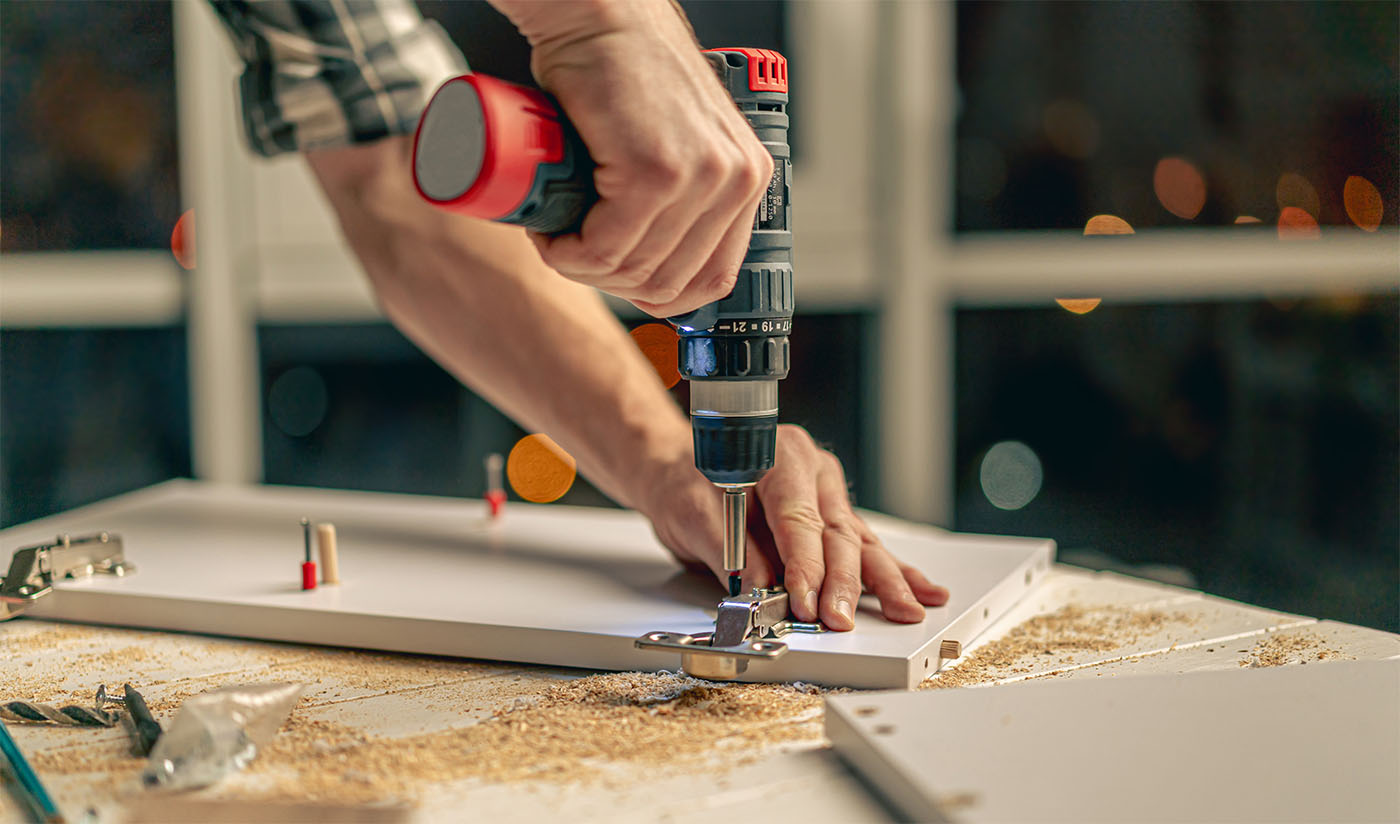
Not every home improvement project requires a contractor or a hefty budget. There are plenty of projects you can tackle yourself. All you need is a little time, effort, and a trip to your local hardware store.