Learn how an Equity Sharing Agreement can help provide cash for retirement without the burden of new monthly mortgage payments or high interest.
Unison agreements are structured as option contracts, which allows you to sell us a future option for cash today. But it's important to learn about option contracts and understand the details.
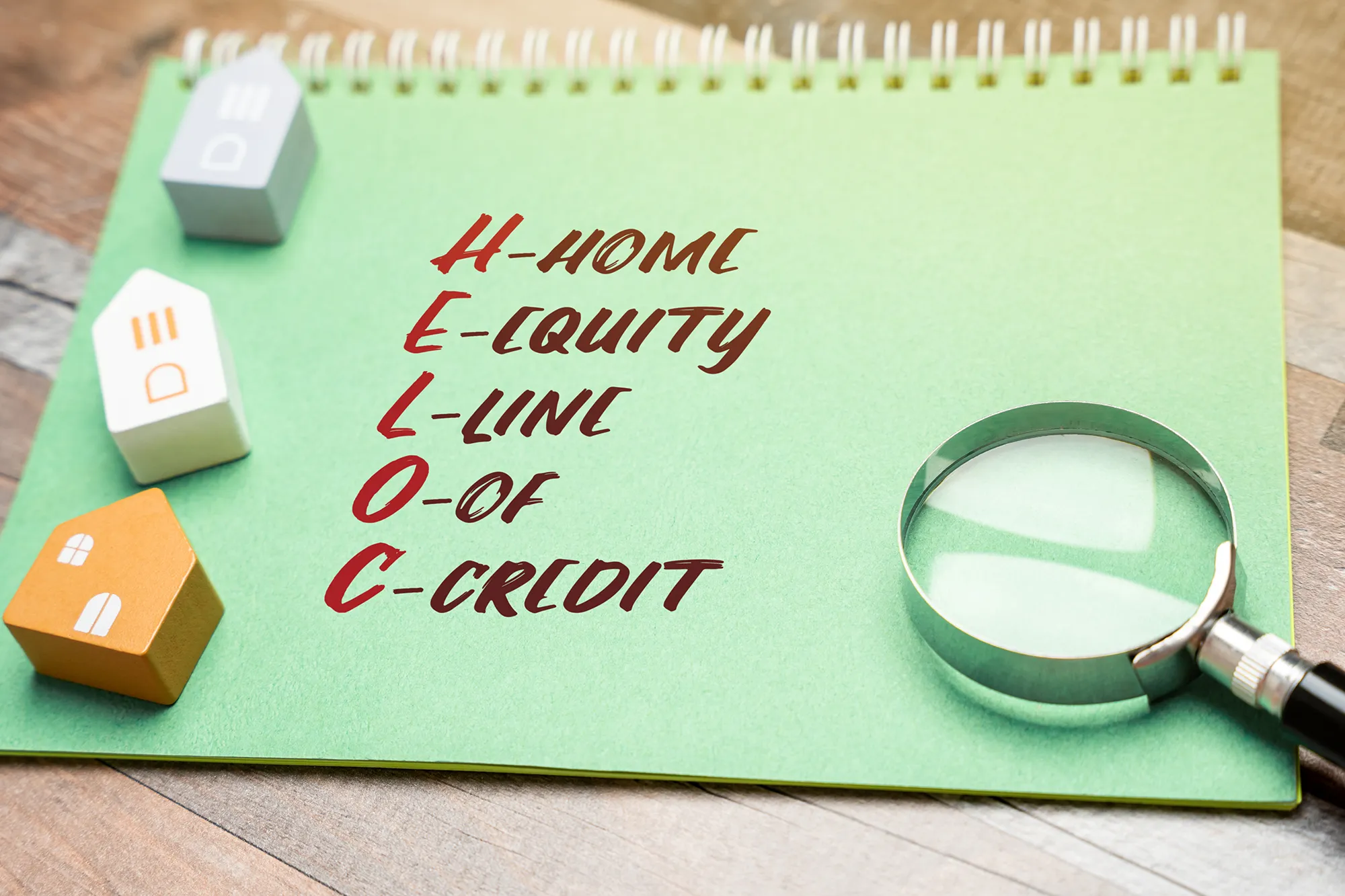
Short answer? Yes! A HELOC is not necessarily a bad thing, and can be right for people in a certain situation. But it's important to know that there are alternatives out there.
Housing is a huge market, but it's difficult for investors to put their money in homes without owning them outright. Learn more about how co-investments help bridge the gap.
The "Zestimate" is a bit of a secret sauce, which Zillow will admit is not always perfect. But it's a valuable tool nonetheless – here's what we know about the calculation process.
If you're planning on putting less than 20% down, you'll likely need to anticipate paying for PMI. But how much of a burden is it? Read this article for some of the common amounts to expect.
Leslie and John weren't sure about their next move – between debt, renovations, and bills. With a home equity sharing agreement from Unison, they didn't have to choose.
Learn how a Equity Sharing Agreement can help you access home value without monthly payments or interest. Discover a new way to fund your life goals.
If you’ve built up meaningful equity in your home and could use some extra flexibility, you’ve probably come across something called a Home Equity Investment (HEI).
For many households, debt doesn’t come from a bad decision or two. It’s something that accumulates over time — thanks to higher everyday costs, unexpected expenses, or periods where income just couldn’t keep up. Even homeowners who have seen their property values rise may still feel financially constrained month to month.
Feeling stuck with a second mortgage or HELOC in the Bay Area? Learn how equity sharing offers cash upfront, no monthly payments, and an innovative way to reset your finances.
If you’ve checked your savings account lately and wondered, “Is this rate actually good?”, you’re not alone. At any given time, the answer depends on three things.
In the second part of our series, we’ll walk you through how to fund, purchase, and make the most of your second property investment, while maintaining flexibility and minimizing risk.





.png)