Learn how an Equity Sharing Agreement can help provide cash for retirement without the burden of new monthly mortgage payments or high interest.
Rising temperatures, extreme weather, and rising sea levels can impact your home’s prices. Here are simple tips to help protect you and your family financially.
Once you’ve accepted your offer and received your funds, it’s time to put your equity to work – from paying down debt, supplementing your retirement, financing home improvements and beyond.
Ready to bring our partnership to an end? There are four ways in which your Unison Agreement can come to a close.
Unison home equity sharing agreements are best-suited to long-term use cases, allowing you to make your house a home, create lifelong memories, and accrue a healthy appreciation in your home’s value.
Start your Unison journey with our seamless, straightforward application process. Discover how much cash you can unlock from your home and work with a Unison rep through every step.
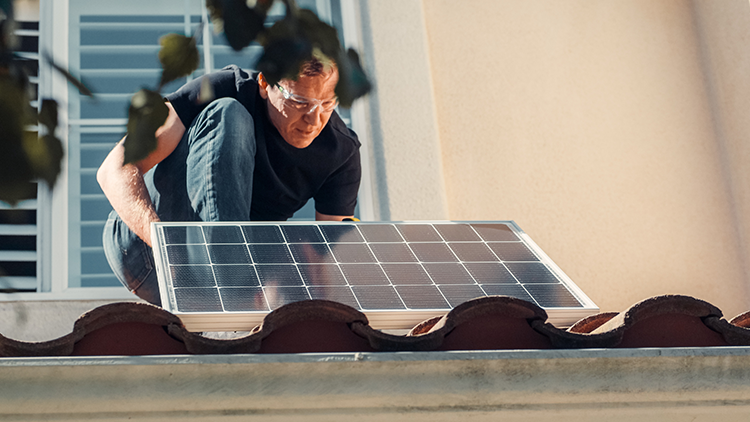
Eco-friendly home improvements can save you money, improve your quality of life, and boost the value of your home. Win, win, win! Here are some of the easiest ways to turn your house green.